 Signal
Your Telecom Bill Is a Language. We Wrote the Dictionary.
Plain-language guides for IT managers, business owners, and engineers who are done being mystified by fiber contracts, SIP trunks, and $12,000 monthly PRI bills.
Telecom complexity is a manufactured problem.
Carriers have spent forty years building a language only they can speak. PICC charges. EUCL fees. Intrastate access recovery surcharges. None of it is accidental. Every term on your invoice that requires a consultant to decode is a line item that never gets challenged.
Signal exists to break that. We write the guides we wish existed when we were staring at a 47-line invoice wondering why our "flat rate" voice plan had nineteen separate surcharges. We test every recommendation against a real bill. We end every how-to with a number.
"The average SMB overpays their telecom carrier by 23% annually. Not because they're careless — because the invoice is designed to be unreadable."— FCC Competitive Carrier Study, 2024
You shouldn't need a consultant to read your own invoice.
The average business telecom invoice has 23 line items. Four of them are federally mandated. The other nineteen are a carrier's interpretation of what they can charge — and most go unchallenged because nobody on your team has the time or vocabulary to dispute them.
PICC charges, EUCL fees, carrier cost recovery surcharges — these aren't laws. They're billing conventions. A PICC charge, for instance, is a markup a carrier applies on top of an FCC access charge. It's negotiable. Most IT managers have never heard of it.
"We audited a 200-person law firm's telecom bill in 2024. Found $847/month in challengeable surcharges on the first pass. The bill had been auto-paying for three years."
This guide walks you through every line item category, what each one actually means, which are legitimate pass-throughs, and which are carrier-invented fees you can dispute or negotiate away. We end with a worksheet — and a number.
200-person professional services firm, PRI-based voice, 33 active lines. Time to audit: 4 hours.
Invoice #INV-2024-0847
Pacific Bell Business Services — January 2024
Monthly Service Charge
PICC — Primary Interexchange Carrier Charge
↳ Carrier markup on FCC fee. Negotiable.
Federal Universal Service Fund
EUCL — End User Common Line
↳ $6.50/line × 33 lines. Audit your line count.
Intrastate Access Recovery
↳ Carrier-invented fee. Not FCC-mandated.
Long Distance — Interstate
E911 Service Charge
Carrier Cost Recovery Surcharge
↳ Internal cost passed to you. Challenge this.
Red dots = challengeable line items. Four carrier-invented surcharges totaling $850.20/month. None are legally required.
Get the Weekly Teardown
One real telecom bill or technology concept, decoded every Tuesday. No fluff — just the dollar amount at the end.
Free with signup:
"The 9-Page Telecom Bill Decoder" PDF
Every how-to should end with a dollar amount saved.
Most telecom guides end with "consult your vendor." That's not a guide — that's a referral. We write guides that end with a specific number: $847/month from an invoice audit. $9,200/month from migrating a 24-channel PRI to elastic SIP trunking. $4,400/month from an MPLS-to-SD-WAN transition across four branch offices.
These aren't theoretical. They're case studies from real businesses — anonymized but not sanitized. The configurations are specific. The carrier negotiations are documented. The before-and-after bills are annotated.
"A how-to guide with no outcome is a press release. If we can't tell you what you'll save, we haven't finished writing it."
Every guide in the Signal archive lists its savings figure in the headline. Not a range. Not "up to." A specific number from a specific business. You should be able to read it, check our math, and replicate the result.
Before vs. After — Monthly Spend
Four Signal case studies, 2023–2024
PRI → SIP Trunk Migration
−$9,200/mo24 channels → elastic SIP, same capacity
Dark Fiber Lease Audit
−$3,800/moRemoved 3 unused segments from contract
MPLS → SD-WAN Transition
−$4,400/mo4 branch offices, same SLA guarantees
Invoice Surcharge Dispute
−$850/moRemoved EUCL + PICC overcharges
All figures from documented case studies. Actual savings vary by carrier, contract terms, and negotiation outcome.
Jargon is a cost center.
Every term you don't understand is a line item you can't challenge. Here's the glossary your carrier hopes you never read.
Primary Interexchange Carrier Charge
A carrier markup on top of an FCC access fee. Not federally set. Negotiable down to zero.
End User Common Line
A per-line charge carriers pass through. Legitimate — but often applied to lines that no longer exist.
Session Initiation Protocol Trunking
VoIP channels delivered over your internet connection instead of physical copper PRI lines. Same calls, 60–75% less cost.
Quality of Service
Traffic prioritization rules that ensure voice packets arrive before a file download hogs your bandwidth. Without it, calls break up.
Multiprotocol Label Switching
A carrier-managed private WAN technology. Reliable but expensive. Most businesses can replace it with SD-WAN + broadband for 60% less.
Recent Guides

The Complete Guide to PRI-to-SIP Migration: What Your Carrier Won't Tell You
A 24-channel PRI costs $1,200–$1,800/month in most US markets. The same capacity on SIP trunking runs $180–$320. Here's the migration playbook.
$9,200/mo saved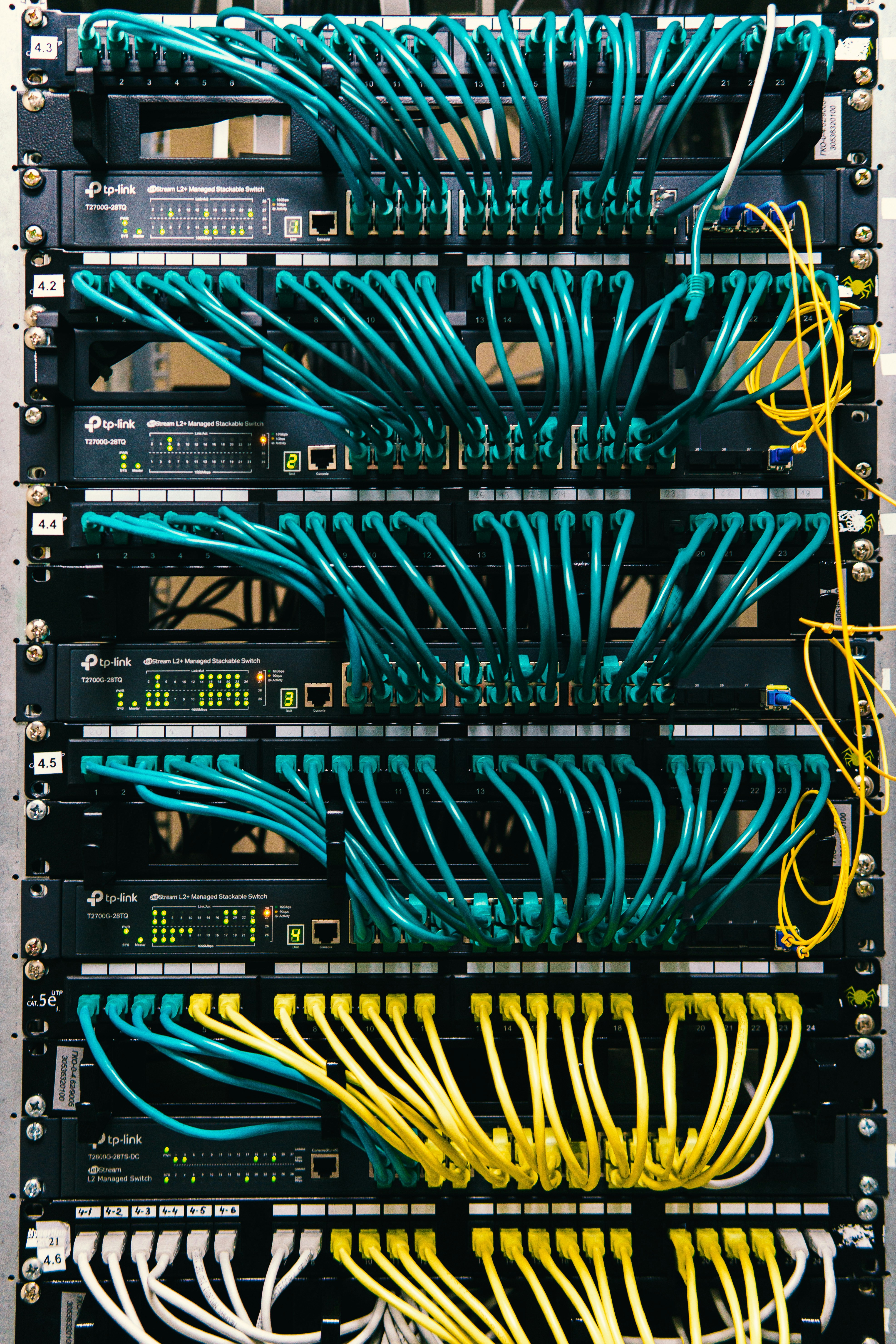
QoS Without the Jargon: A 3-Step Configuration for Voice-First Networks
$0 direct — prevents outages
Reading a Dark Fiber Contract: The 6 Clauses That Cost You Money
$3,800/mo recoveredEvery Tuesday,
one bill. One concept. One number.
The Signal Weekly Teardown is a single-topic newsletter that arrives every Tuesday morning. No roundups. No link dumps. One real telecom bill or technology concept, decoded from first principles, ending with a specific dollar amount you can take to your next vendor call.
12,400 IT managers, network engineers, and business owners already read it. The unsubscribe rate is 0.4%. We think that's because we don't waste your time.
Weekly invoice teardown — one real bill, fully annotated
Technology explainers that end with a savings figure
Carrier negotiation scripts you can copy verbatim
"The 9-Page Telecom Bill Decoder" PDF, free on signup




Joined by 12,400+ readers this year
Free. Every Tuesday.
No fluff.
One real telecom bill decoded. One number at the end.
Free on signup:
"The 9-Page Telecom Bill Decoder" — every line item category explained, with a dispute script for the ones that aren't mandatory.
No spam. Unsubscribe in one click. 0.4% unsubscribe rate.